Herb Pairings: What Works Best Together (and What Not To Mix)
Herbal remedies are powerful tools for wellness. But just like food, some herbs work better when paired together — while others may not be safe to combine. Knowing which herbs support each other, and which ones should be avoided together, helps you get the best results and stay safe.
In this post, we’ll look at common herbal pairings that boost effectiveness, as well as combinations to avoid.
✅ Herbs That Work Well Together
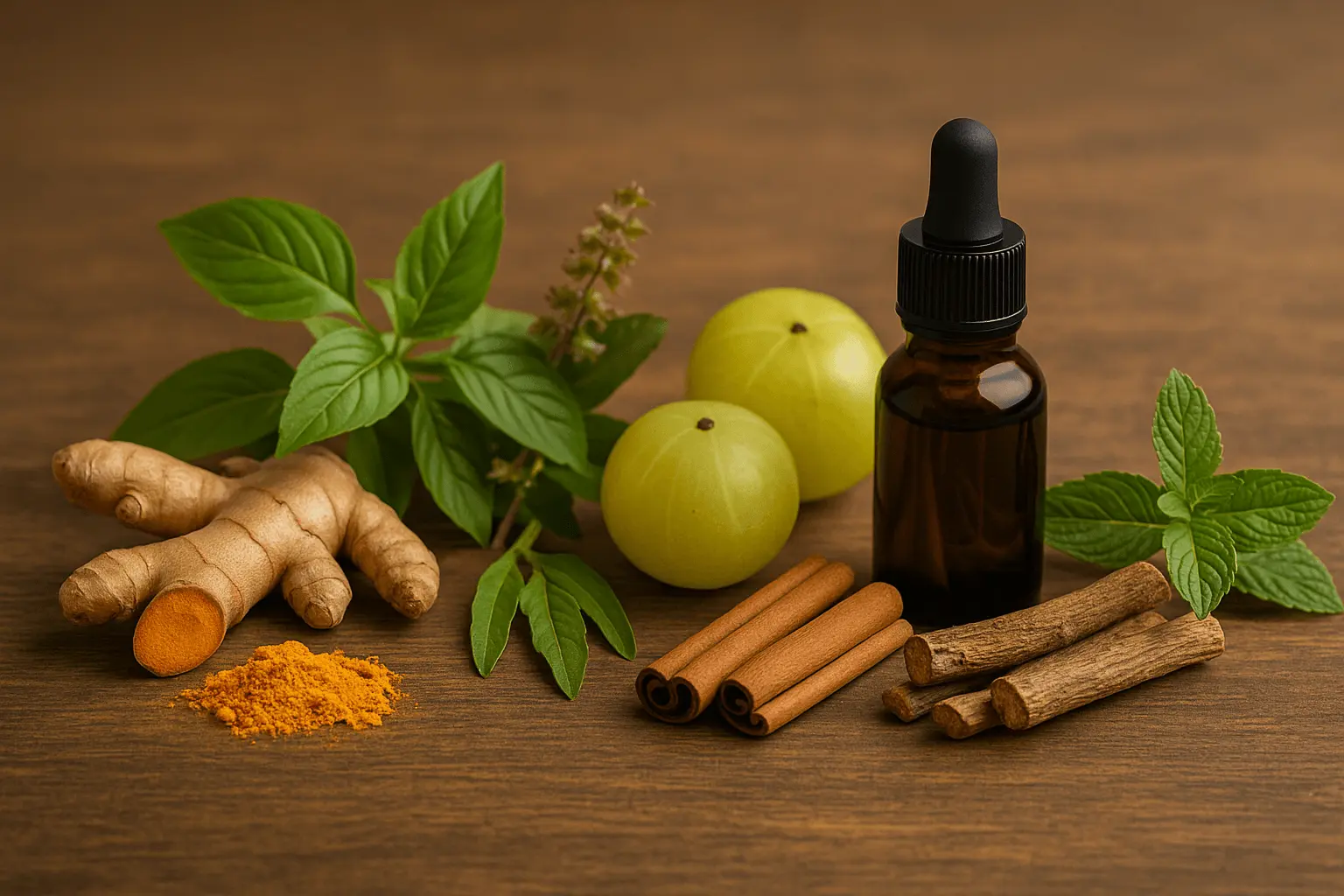
1. Turmeric + Black Pepper
- Why it works: Turmeric contains curcumin, which is hard for the body to absorb on its own. Black pepper (piperine) increases absorption many times over.
- Good for: Inflammation, joint health, and general immunity.
- Tip: A pinch of black pepper in turmeric milk or capsules makes it much more effective.
2. Ashwagandha + Brahmi
- Why it works: Ashwagandha calms stress and supports energy. Brahmi supports focus and memory. Together, they balance the mind and body.
- Good for: Stress relief, mental clarity, and students during exam season.
3. Ginger + Lemon + Honey
- Why it works: Ginger warms the body, lemon adds vitamin C, and honey soothes the throat.
- Good for: Cold, sore throat, and digestive health.
- Tip: Drink as a warm tea during winter or rainy season.
4. Tulsi + Mulethi (Licorice Root)
- Why it works: Tulsi supports immunity and respiratory health. Mulethi soothes the throat and reduces coughing.
- Good for: Cough, cold, and seasonal infections.
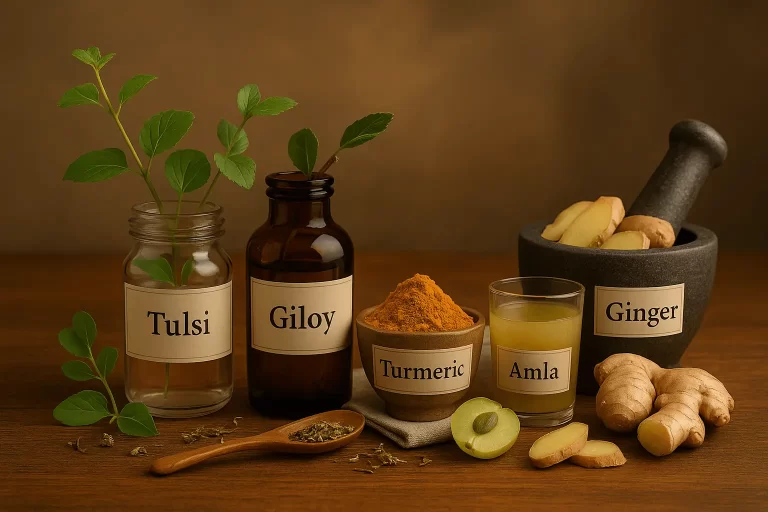
5. Amla + Giloy
- Why it works: Amla provides vitamin C, Giloy supports immunity and energy. Together, they strengthen natural defenses.
- Good for: Daily immunity, recovery from weakness, and energy boost.
⚠️ Herb Combinations to Be Careful With
1. Ginseng + Caffeine
- Both are strong stimulants. Taken together, they may cause restlessness, high blood pressure, or insomnia.
2. Licorice Root + Salt / High-Sodium Diet
- Licorice can raise blood pressure and cause water retention. Combining with high salt intake may worsen the effect.
3. St. John’s Wort + Prescription Medicines
- This herb can reduce the effect of many medicines, including antidepressants, birth control, and blood thinners.
- Note: Always consult a doctor before taking it.
4. Multiple “Cooling” Herbs Together
(Hibiscus, Aloe Vera, or excess Mint)
- Too many cooling herbs can upset digestion and cause loose motions.
5. Too Many Adaptogens at Once
(Ashwagandha, Ginseng, Rhodiola)
- Adaptogens balance stress, but mixing several may cause hormone imbalance or overstimulation.
🌿 Simple Safety Tips
- Start with small doses when trying a new herb combination.
- Stick to 2–3 herbs at a time — more doesn’t always mean better.
- Check labels for hidden combinations (especially in herbal teas or supplements).
- If you take medicines, are pregnant, or have a chronic condition, ask a doctor first.
✨ Final Word
Herbal remedies can be more powerful when combined correctly. Pairs like turmeric + black pepper, ashwagandha + brahmi, or tulsi + mulethi are time-tested and safe for most people. But avoid risky mixes like ginseng + caffeine or licorice + too much salt.
Balance is the key — let herbs work in harmony, not in confli